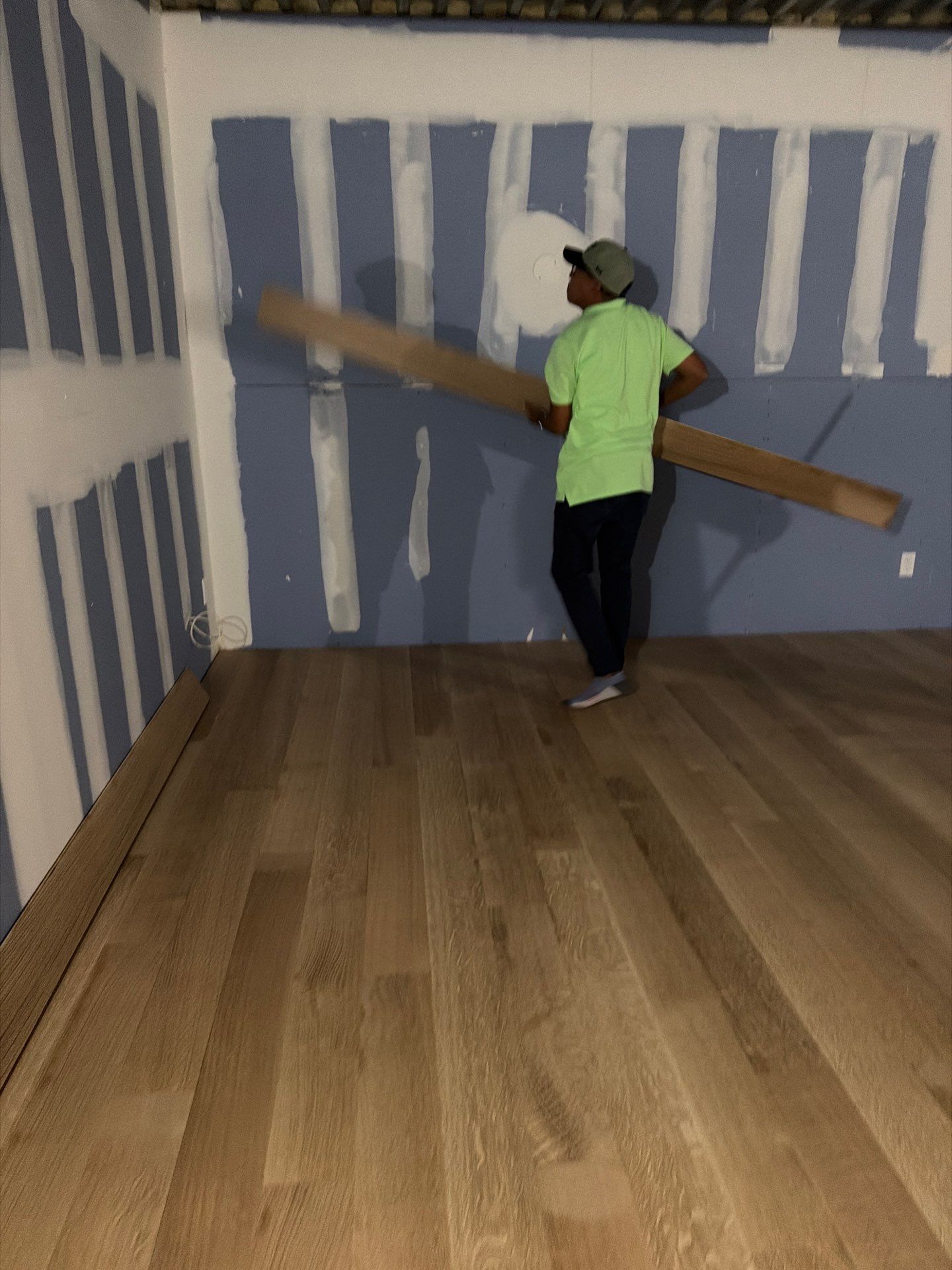
Wall preparation first
We evaluate painted walls, repaired areas, existing paper, corners and substrate consistency before installation. The visible finish can only be as refined as the surface beneath it.

What to Expect When You’re Expecting a Wallpaper Installation
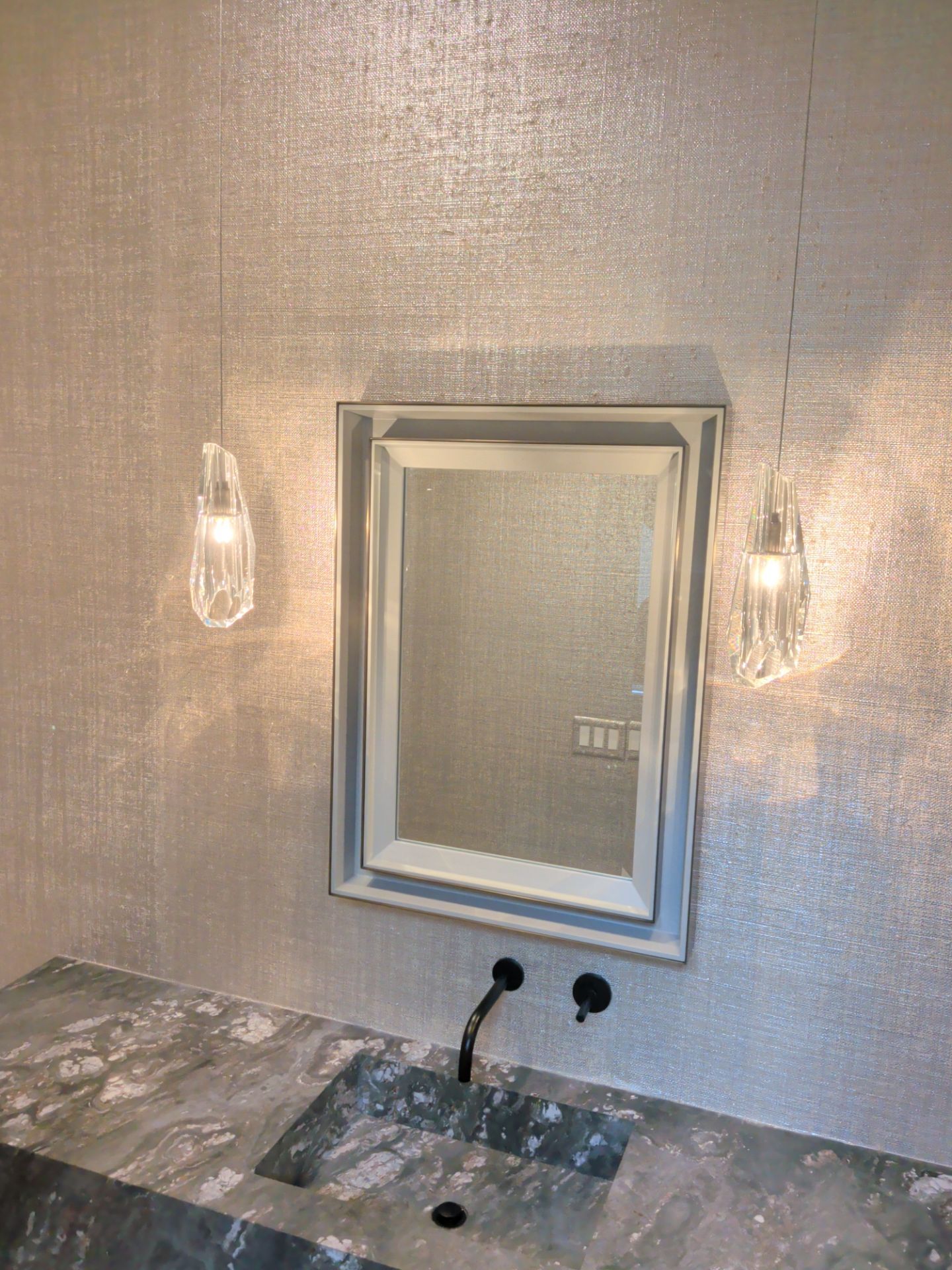
Kellets installs designer wallcoverings in Westchester and New York City, from intimate powder rooms to multi-room programs and tall stairwells. We coordinate surface preparation, roll sequencing, pattern placement, trim transitions and final detailing so the material can read as the designer intended.
Direct answer
Kellets installs designer wallcoverings in Westchester and New York City, from intimate powder rooms to multi-room programs and tall stairwells. We coordinate surface preparation, roll sequencing, pattern placement, trim transitions and final detailing so the material can read as the designer intended.
Reviewed September 13, 2026. Product instructions, wall conditions and installation sequencing should be confirmed for the selected material before work begins.
What matters
We evaluate painted walls, repaired areas, existing paper, corners and substrate consistency before installation. The visible finish can only be as refined as the surface beneath it.
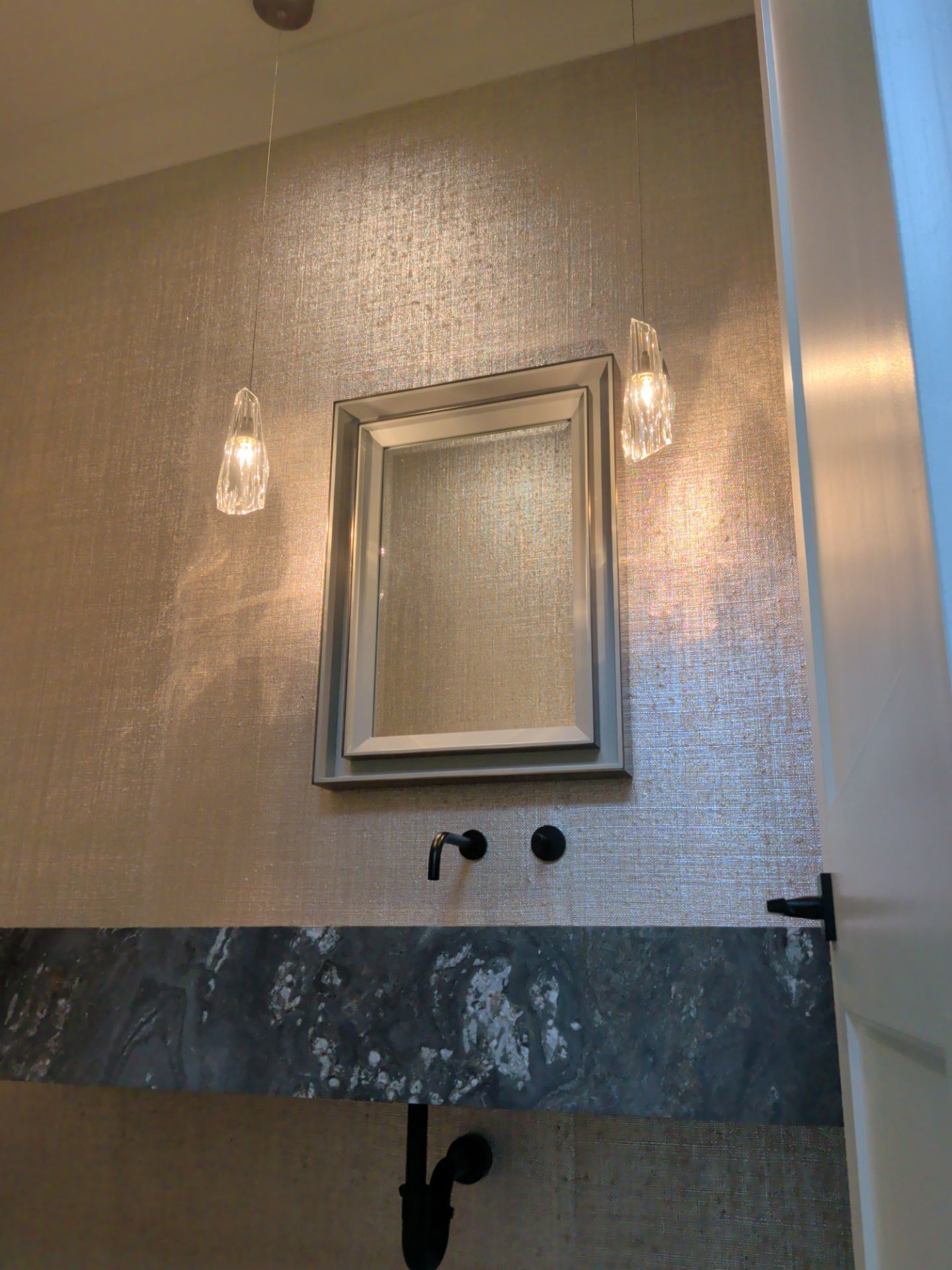
Repeat, match type, focal points, ceiling lines, openings and unavoidable termination points are reviewed before the first drop is placed.
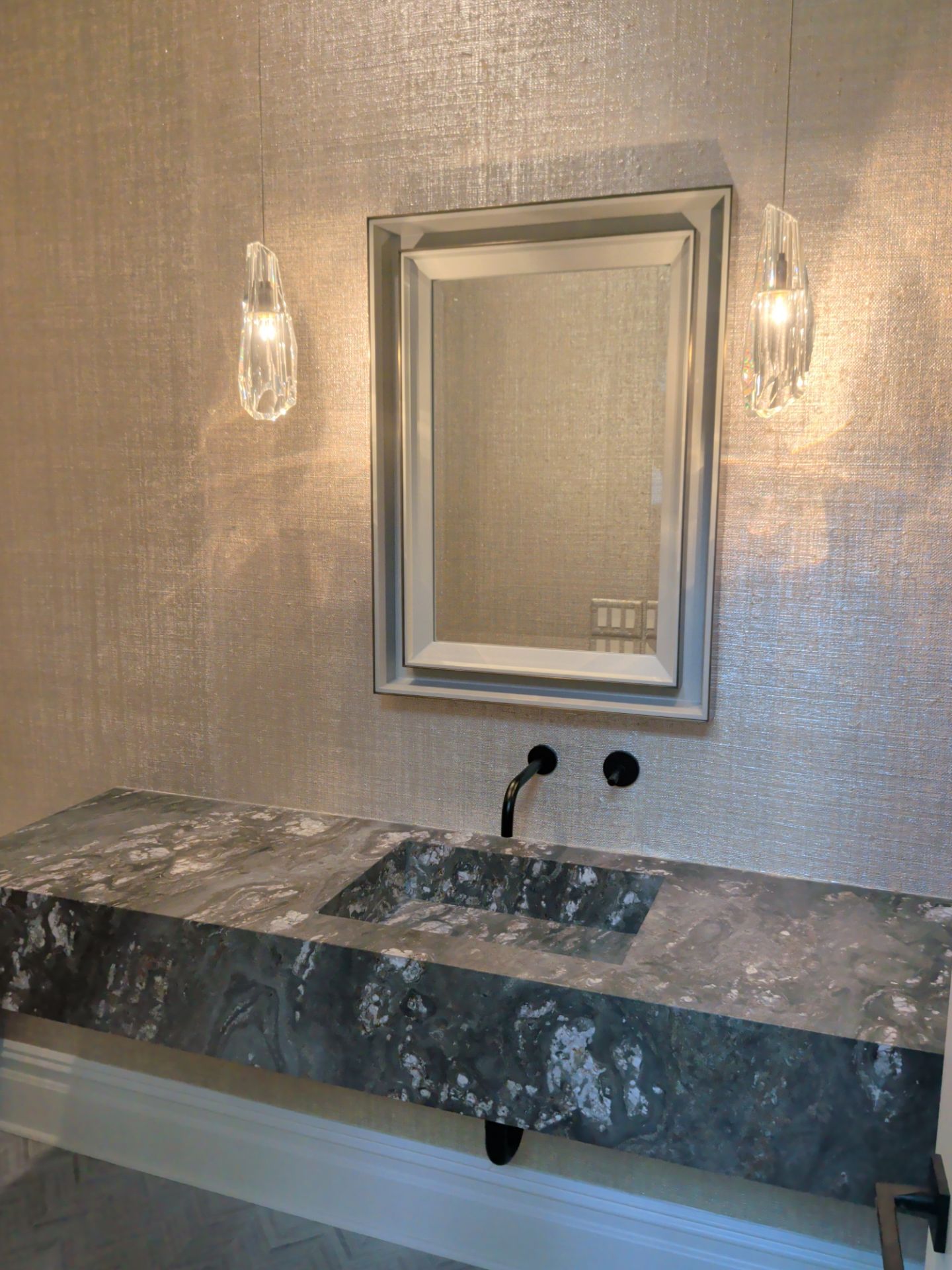
Floors, millwork and furnishings are protected while work is coordinated around electricians, carpenters, painters and other finish trades.
Relevant experience
A multi-area wallpaper scope included living spaces, walls behind a television, architectural columns, multiple landings and a tall stairwell. Project records document preparation and installation planning across walls reaching approximately 16 feet.
Multi-phase records document wallpaper planning across the foyer, stair perimeter, upper landings and additional rooms, with coordination alongside trim, lighting, storage and other finish work.
Designer-issued drawings specified wallcovering in laundry, powder rooms, bathrooms and other detailed interior areas, requiring coordination with tile, millwork, plumbing fixtures and lighting.
Project records document wallpaper preparation as part of broader interior finish work, including crown molding, lighting changes, carpentry and wall repairs.
Materials and makers
Kellets has documented project experience preparing rooms for and installing owner- or designer-selected Phillip Jeffries wallcovering. This statement describes project experience; it does not claim manufacturer certification or dealer status.
Our project records also include natural-texture papers, patterned papers, murals and other specialty wallcoverings selected through designers and owners. Additional manufacturer names will be displayed only after the product record is matched to completed installation evidence.
Our approach
We confirm the manufacturer, pattern, dye lot or batch information, roll dimensions, substrate, openings, corners and lighting conditions.
Existing paper, loose coatings and visible defects are addressed as required; repairs, sanding, cleaning and the specified primer or liner are coordinated with the material instructions.
We establish the starting point, focal walls, pattern position, seams, inside and outside corners, doors, windows and termination points before hanging begins.
Drops are installed in sequence, edges and transitions are checked, excess adhesive is handled according to the product requirements, and the completed room is reviewed in normal lighting.
Detailed Q&A
Yes. Kellets has documented experience with projects that specify Phillip Jeffries wallcovering. We review the exact product instructions, substrate requirements and room conditions before installation. Kellets does not represent itself as a Phillip Jeffries certified installer or dealer unless separate written authorization is provided.
Wallpaper can reveal ridges, repairs, texture differences and contamination beneath it. Preparation creates a sound, clean and visually consistent substrate and may include removal, patching, sanding, cleaning, priming or lining depending on the wall and product.
Sometimes a product or condition may allow it, but removal is usually the safer starting point for evaluation. Existing seams, loose areas, texture, staining and unknown adhesives can transfer through or weaken the new installation.
The layout is planned around the room’s focal views, symmetry, repeat, doors, windows, corners and expected termination point. The goal is to avoid an awkward narrow strip or conspicuous mismatch in the most visible location.
Seams are part of most wallcovering systems. Their visibility depends on the material, color, texture, backing, lighting, wall condition and manufacturer tolerances. The objective is controlled alignment and a consistent installation, not an unrealistic promise that every seam disappears.
Natural fibers and handcrafted materials commonly show panel-to-panel variation, shading and texture. Those characteristics should be reviewed and accepted as part of the design before installation; the installer can sequence material carefully but cannot manufacture uniformity into a naturally varied product.
The required quantity depends on wall dimensions, roll format, pattern repeat and match, trimming, doors and windows, damaged material risk and whether attic stock is desired. We measure and review the product before a final quantity is ordered.
Many wallcoverings can work well outside direct wet zones when the room has suitable ventilation and the selected product is appropriate for the conditions. The manufacturer’s instructions and the location of water, steam and condensation must guide the decision.
Kellets can coordinate wallcovering with electrical devices, decorative lighting, millwork, crown molding, baseboards, mirrors and other finish details so the sequence protects the material and produces clean transitions.
Bring the product name or sample, room photos, approximate wall dimensions, design drawings if available, desired timing and any known history of leaks, repairs, texture or existing paper. We will verify field conditions before defining the installation scope.
The recorded scope extended beyond one accent wall to living areas, the wall behind a television, architectural columns, multiple landings and a stairwell approaching 16 feet. That geometry required access planning, protection, panel sequencing and decisions about where patterns and unavoidable terminations would be most visible.
Grasscloth and other natural fibers, nonwoven papers, vinyls, murals, metallic or reflective surfaces, cork, silk and hand-printed products behave differently. Backing, paste, booking time, trimming method, moisture sensitivity, cleanability and panel variation must be taken from the exact product instructions.
Color and texture can vary between manufacturing runs. Rolls should be checked for matching lot or batch information before cutting, then staged in the intended sequence. If mixed lots are unavoidable, the designer and owner should decide where transitions can be accepted.
The sequence depends on the design. Finished trim usually establishes clean termination lines, while some plates, sconces, mirrors and accessories are removed or held until the paper is complete. Across the Layered Interiors Residence and Scarsdale Whole-Home Reimagining, wallcovering coordination was tied to trim, lighting, millwork and plumbing-fixture decisions.
Power and device safety are handled by the appropriate trade. Cover plates are removed, the wallcovering is fitted cleanly to the device opening without leaving unsafe material inside the box, and plates return after the surface is ready. Decorative plates and centered pattern relationships should be reviewed early.
Usually not without consequences. A mural has fixed artwork dimensions and a specific crop. Final wall measurements, plumb reference lines, doors, windows, furniture, focal points and any manufacturer-provided panel map must be confirmed before production or cutting.
Common causes include weak or contaminated substrate, incompatible primer or adhesive, inadequate paste coverage, excessive working, poor room conditions, moisture, movement or cleaning damage. Repair should address the cause and use a product-compatible method rather than forcing an unknown adhesive behind the seam.
Keep labeled attic stock from the same batch when possible, the product name and color, lot numbers, installation instructions, paste and primer information, room photographs and a small layout record. Future repairs are easier when the exact material and original sequence can be identified.
Start with useful information
Share photos, drawings, building documents and known conditions. Kellets will help identify the next practical step.