
What to Expect When You’re Expecting a Multifamily Energy Upgrade
Plan multifamily energy upgrades around building performance, resident needs and incentive requirements
Kellets coordinates multifamily scopes involving heat-pump electrification, eligible boiler and HVAC work, controls, insulation, air sealing, electrical capacity and related building improvements in New York City and Westchester.
Direct answer
What should you expect from a multifamily energy-efficiency and building-electrification project?
Expect the building, utility account, envelope, heating and hot-water loads, electrical capacity, resident access, equipment and incentive pathway to be evaluated together. Pre-approval and pre-inspection can affect eligibility, so technical design and program documentation should be coordinated before installation begins.
Reviewed September 15, 2026. Incentives, filing requirements, contractor status and program rules must be rechecked for the property before work begins.
What matters
Plan the visible result and the work beneath it
Relevant experience
Capabilities supported by real project records
Real Kellets energy-upgrade work
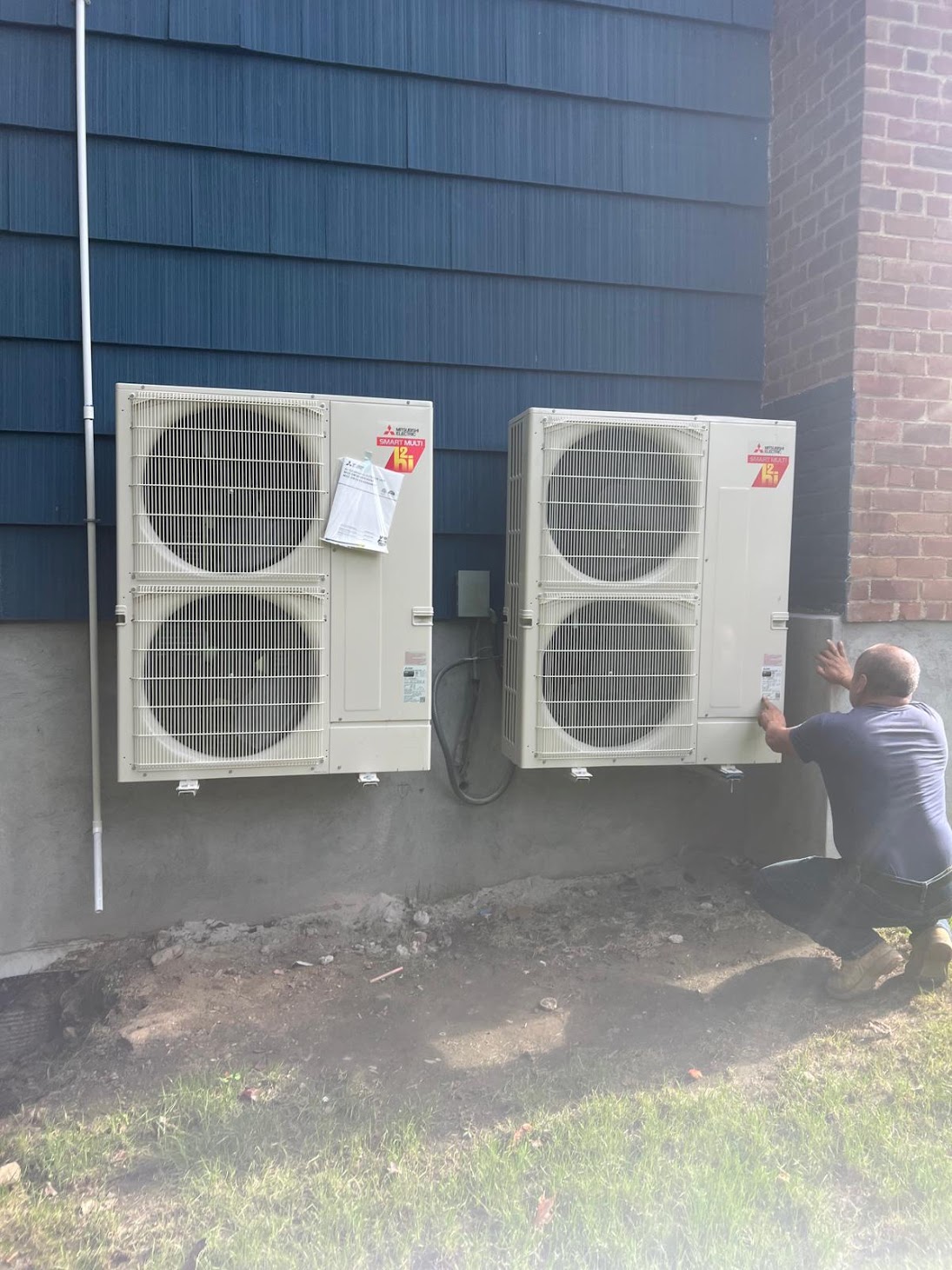
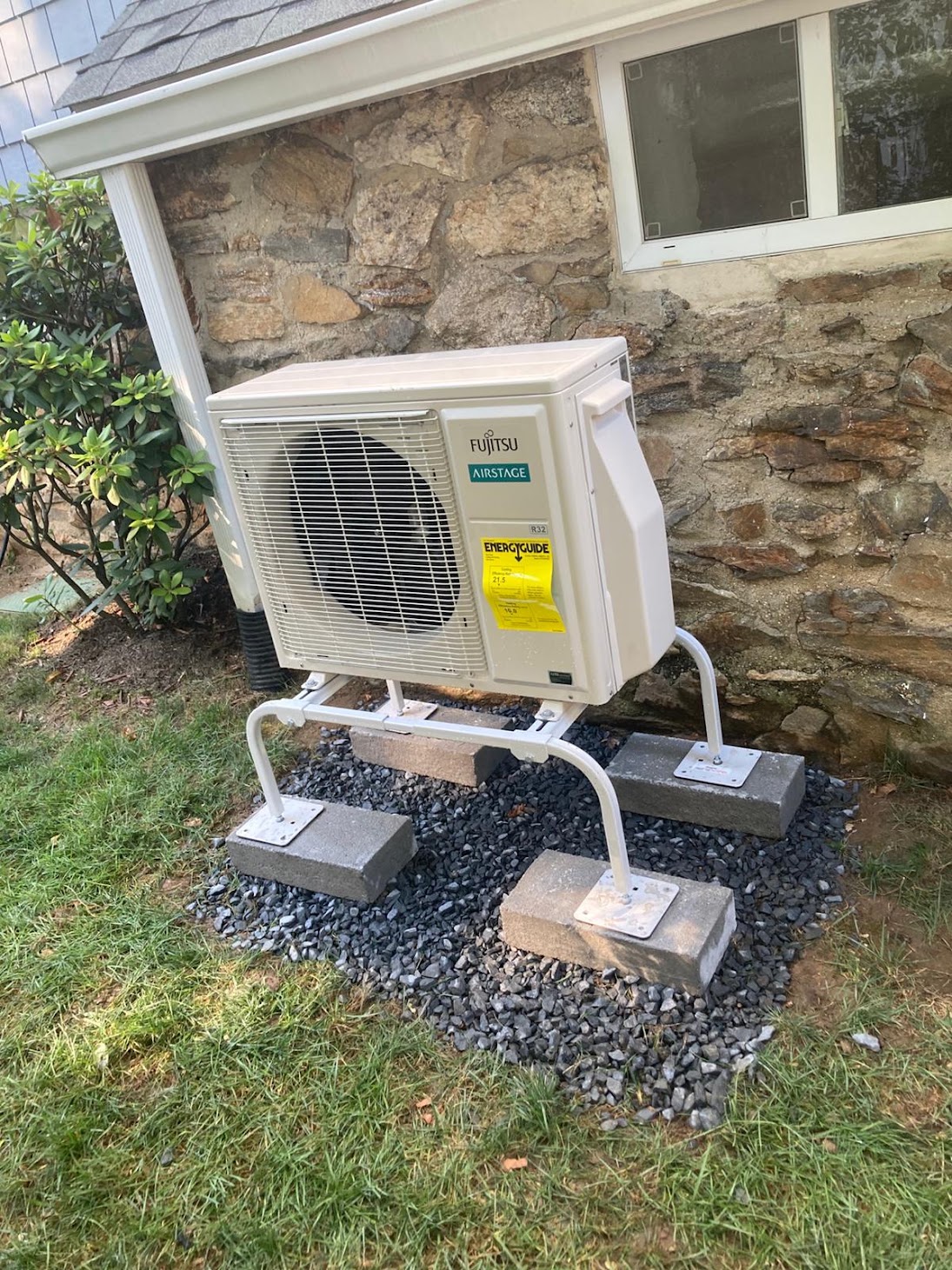
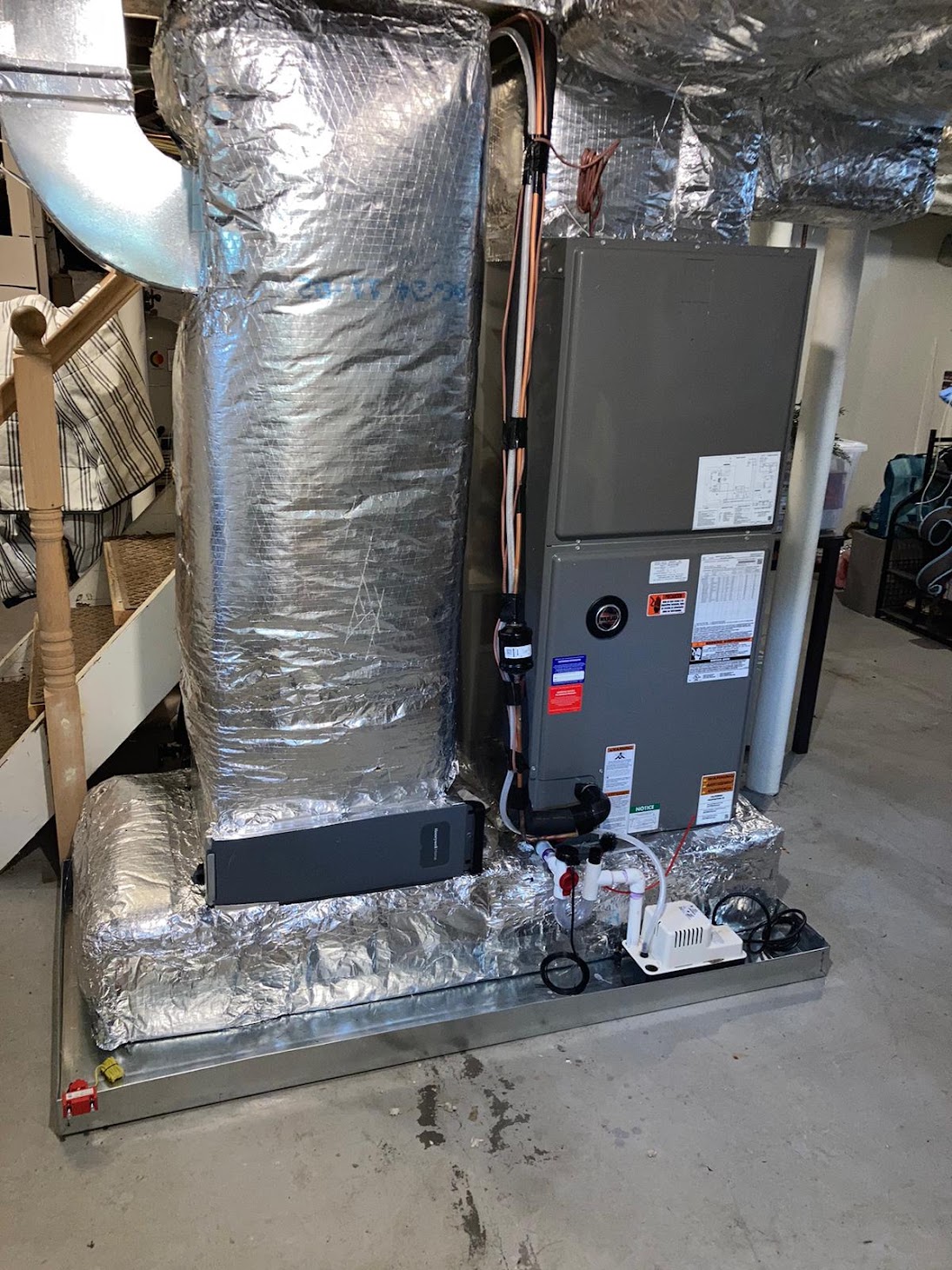
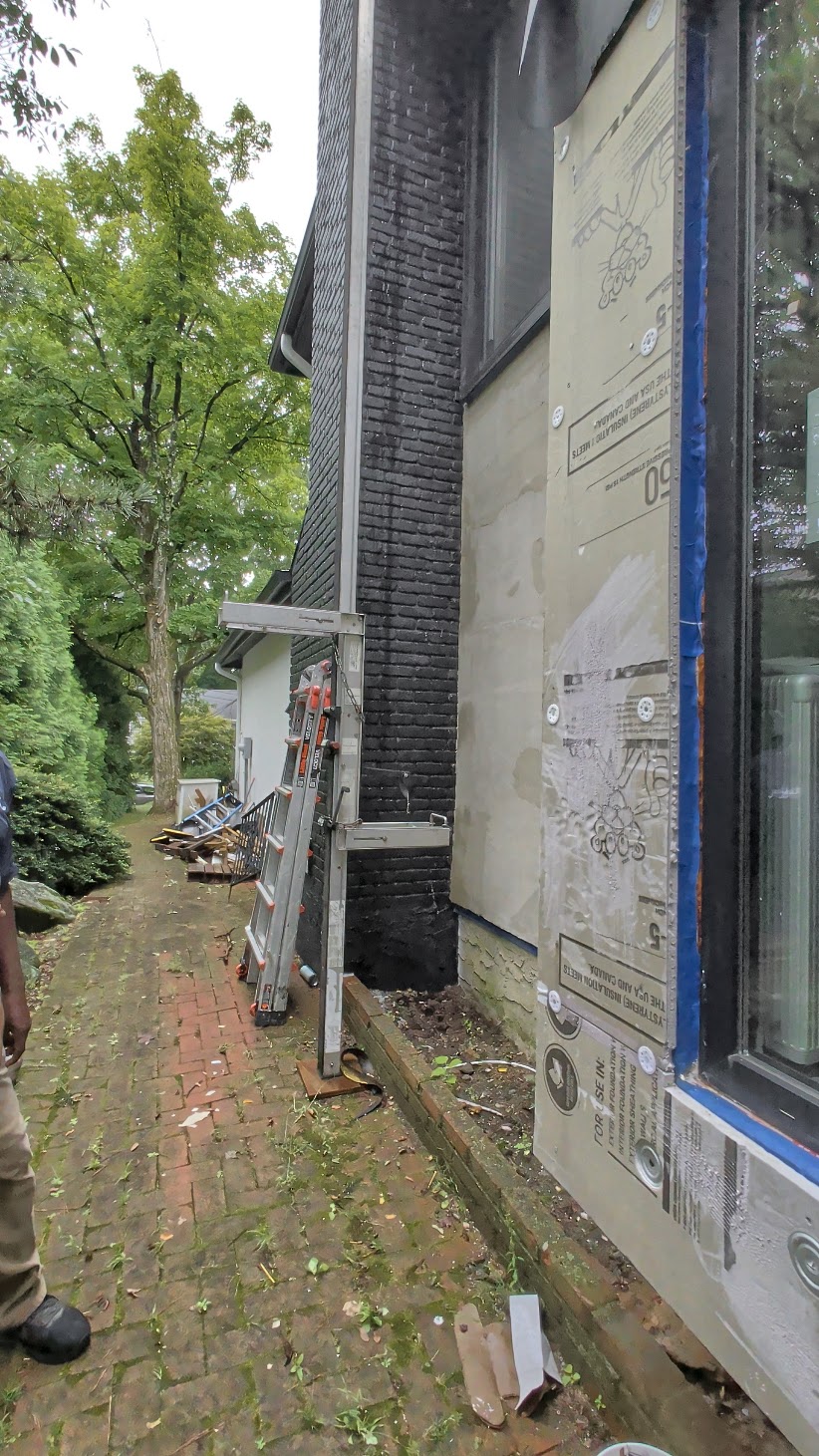
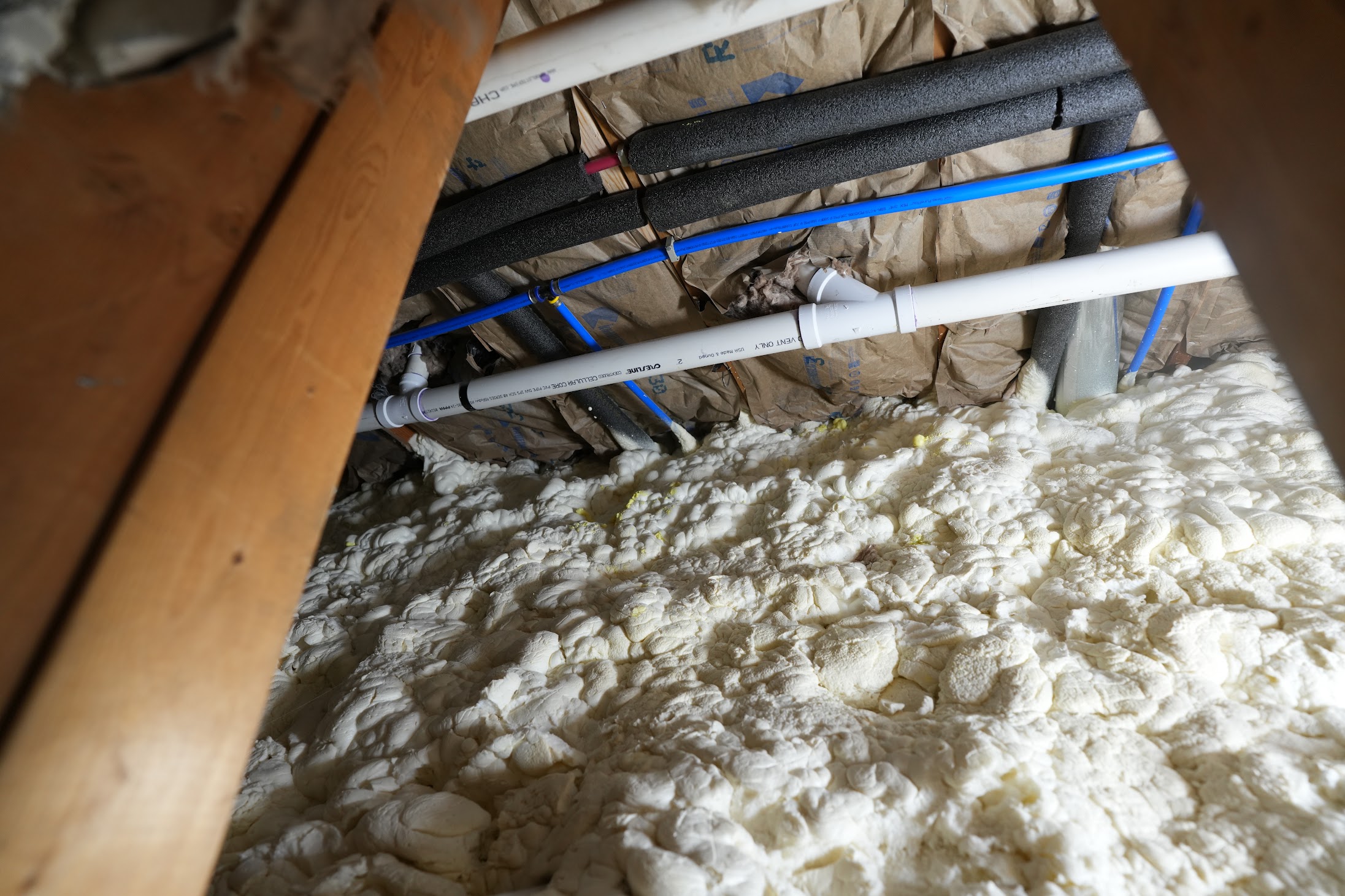
Equipment, enclosure and field conditions belong in one conversation
These are real Kellets project photographs and a field walkthrough—not stock or conceptual imagery. They illustrate the equipment and envelope coordination Kellets performs; they are not presented as proof that a specific incentive funded the photographed work.
Project and program truth: equipment suitability, incentive eligibility and participating-contractor status must be confirmed against the current program. The Bronx multifamily assessment record supports diagnostic and educational planning, but a complete installation chronology has not been verified and no completion claim is made here.
Field walkthrough: a visitor-controlled review of installed indoor equipment and ductwork. No autoplay.
Our approach
A disciplined path from investigation to closeout
- 01
Screen the building and pathway
Confirm service territory, building size, market-rate or affordable pathway, prior incentives, existing systems and owner goals.
Review eligibility questions →
- 02
Develop the technical scope
Coordinate audit findings, engineering, energy calculations, electrical service, equipment selection, controls and envelope measures.
See real field conditions →
- 03
Secure program commitment before work
Complete required application materials, pre-inspection and commitment steps before installing measures whose incentives depend on advance approval.
Read the program-status note →
- 04
Install, inspect and close out
Execute the approved scope, document equipment and field conditions, support inspections and compile completion records.
Start the project conversation →
Detailed Q&A
Practical answers before work begins
Is Kellets a Con Edison multifamily participating contractor?
Kellets has a signed Affordable Multifamily Energy Efficiency Program participating-contractor agreement on file that was submitted in March 2026. A program representative later said the agreement was complete, but Kellets has not yet located the final onboarding confirmation. Current contractor status, building eligibility and incentive pathways should be confirmed before official program marks are used or incentives are promised.
Which buildings can use Con Edison multifamily programs?
Current Con Edison guidance generally directs multifamily buildings with five or more residential units to the multifamily pathways. Utility service, building type, affordable-housing qualification and the proposed measure determine the applicable program.
Can heat pumps qualify for multifamily incentives?
Yes, qualifying building-electrification technologies can include central air-source systems, ductless systems, variable refrigerant flow, air-to-water systems and heat-pump water heaters. Eligibility, sizing, load coverage and service adequacy must be confirmed.
Are boiler incentives still available?
The 2026 program materials list certain boiler and boiler-control measures, but eligibility is pathway- and condition-specific. Some gas combustion equipment is limited by hard-to-electrify criteria, and Con Edison can change measures or rates.
Can a building begin installation before applying?
Do not assume so. Con Edison states that market-rate projects require an application, pre-inspection and returned commitment letter before installation; starting early can make a project ineligible.
How are market-rate and affordable pathways different?
They have different eligibility documentation, incentive structures, caps and comprehensive-project options. Affordable status must be supported with the program-required documentation.
What does comprehensive energy work mean?
A comprehensive project coordinates multiple building systems or measures rather than treating one replacement in isolation. The exact qualifying package and required savings are defined by the current program rules.
Can insulation and air sealing be included?
Yes, current multifamily materials include qualifying envelope measures in certain pathways. The proposed assembly must also be technically appropriate for moisture, ventilation, fire safety and the existing building.
Does Kellets guarantee the rebate amount?
No. Incentives depend on eligibility, approved savings, equipment, project cost, inspections, available funding and the rules in effect for the application. Final approval belongs to the program administrator.
What should an owner provide for the first review?
Provide the building location and unit count, utility account information, affordable-housing documentation if applicable, recent audit or benchmarking records, equipment schedules, prior incentives, violation or Local Law context and the desired project timing.
Is an energy audit the same as a construction proposal?
No. An audit identifies conditions, savings opportunities and potential measures. A construction proposal must translate selected measures into equipment, quantities, access, electrical and structural work, controls, resident protection, commissioning, exclusions and a price tied to the current building.
How is electrical capacity evaluated for heat pumps?
The engineer and licensed electrical team review existing service, feeders, panels, demand, equipment starting and operating loads, distribution routes and utility requirements. A rebate-qualified heat pump still cannot be installed responsibly if the building lacks a safe, coordinated electrical path.
How should a multifamily heat pump be sized?
Sizing should use the building load, envelope, ventilation, design temperatures, zoning, distribution and the operating characteristics of the selected equipment. Replacing an old nameplate ton-for-ton can repeat oversizing, comfort and short-cycling problems.
Will a cold-climate heat pump work in Westchester or New York City?
Properly selected cold-climate equipment can operate at low outdoor temperatures, but capacity and efficiency change with temperature. The design must document the heating load, low-temperature output, defrost behavior, backup or supplemental strategy, electrical capacity and resident comfort plan.
Should an owner replace a boiler or electrify?
That decision depends on building load, distribution, electrical infrastructure, domestic hot water, emissions goals, equipment condition, phasing, incentive rules and capital plan. Kellets can coordinate either eligible boiler-related work or electrification planning without claiming one answer fits every building.
Can domestic hot water be part of the energy project?
Heat-pump water heaters or central domestic-hot-water strategies may qualify in some pathways. Storage, peak demand, recirculation losses, space temperature, noise, condensate, electrical supply and redundancy must be addressed before equipment is selected.
How are residents protected during a multifamily upgrade?
The plan should define notices, apartment access, shutdown windows, temporary heat or hot water if needed, dust and floor protection, work hours, security, daily restoration, complaint escalation and verification before each area is returned to service.
What belongs in a multifamily energy-project closeout?
The owner should receive approved equipment schedules, permits and signoffs, commissioning or startup records, controls information, inspection evidence, invoices, incentive documentation, warranties, maintenance requirements, resident instructions and a record of approved field changes.
Separate residential rebate opportunity
Residential heat-pump water heaters
Eligible Con Edison customers may receive a $1,500 instant rebate on a qualifying heat-pump water heater through November 30, 2026. Purchase and application requirements apply. Check eligibility and the participating purchase process before buying; contractor purchases must use a participating distributor. Program terms and availability apply, and eligibility is not guaranteed.
Work with your own plumber, or have Kellets handle the purchase, rebate coordination and installation. The rebate does not mean installation is free.
Start with useful information
Tell us about the property, the goal and the constraints.
Share photos, drawings, building documents and known conditions. Kellets will help identify the next practical step.