
What to Expect When You’re Expecting a Building-Envelope Project
Treat water intrusion as a building-system question
Leaks rarely respect trade boundaries. Roofs, parapets, masonry, windows, sealants, flashings, penetrations, and drainage can interact. Kellets helps Bronx property teams investigate the path, define the scope, and coordinate the repair sequence.
What matters most
Diagnose before replacing isolated components
Real Bronx field evidence
A multifamily roof and parapet rehabilitation, documented by installation stage
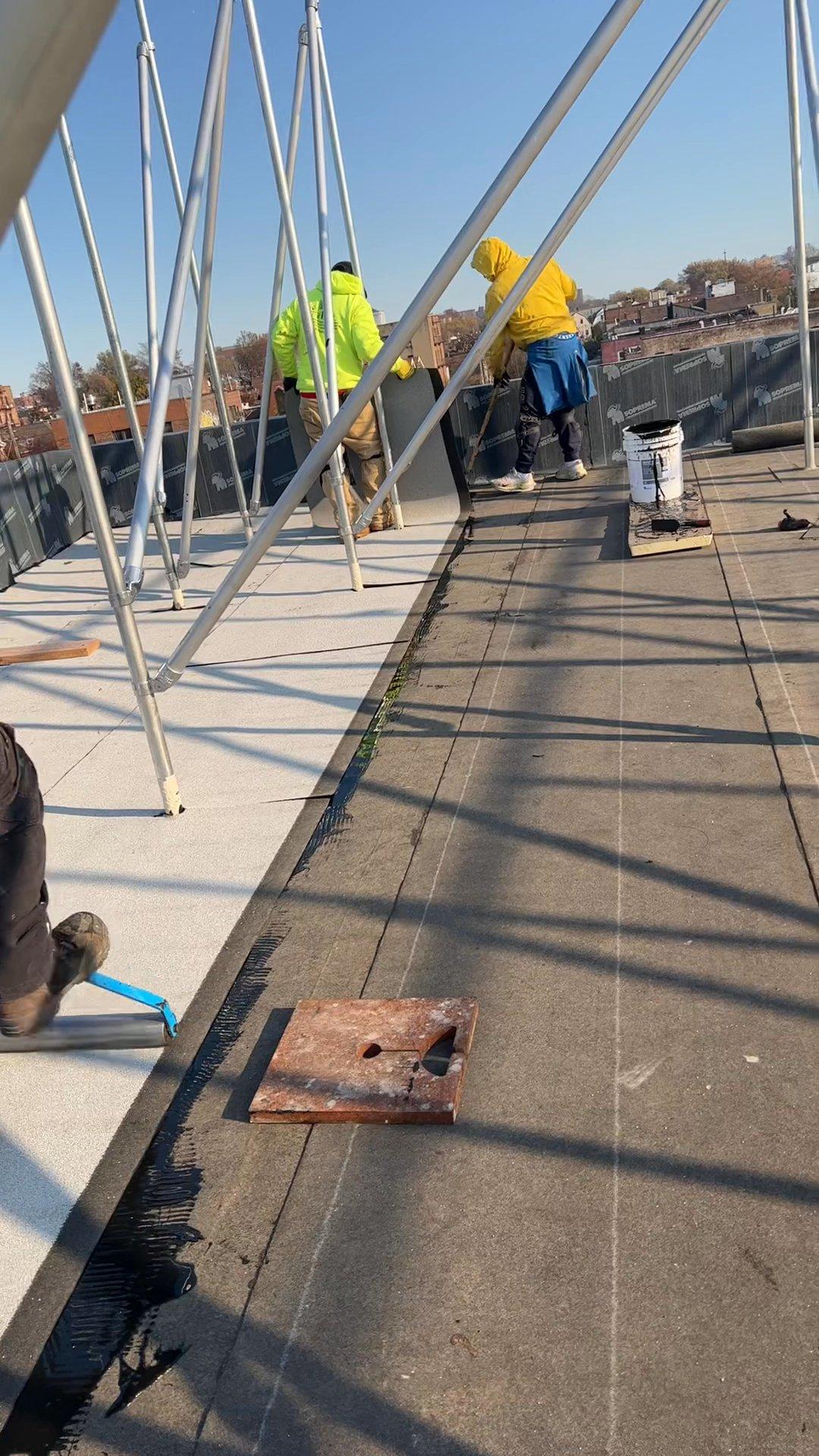
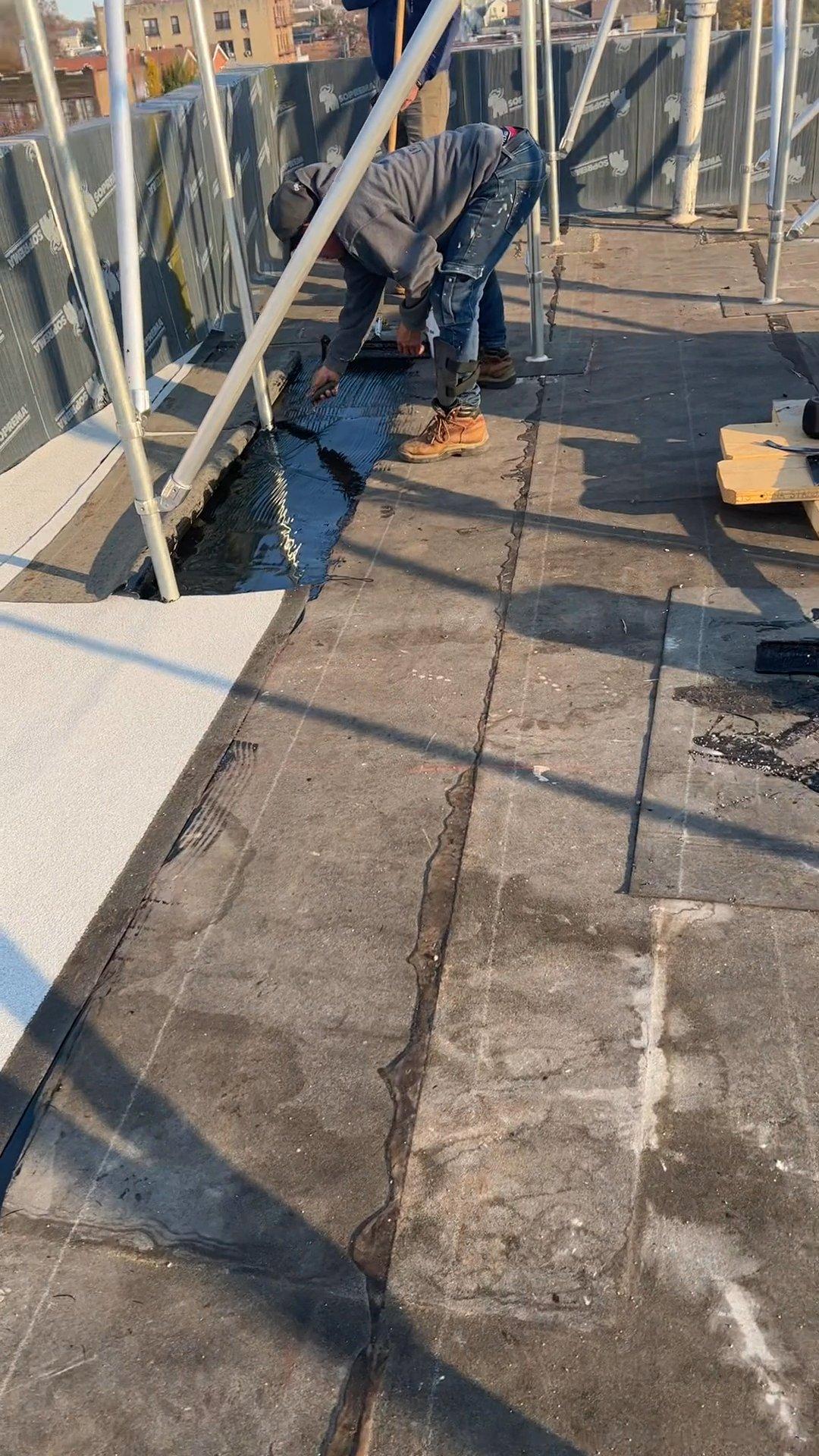
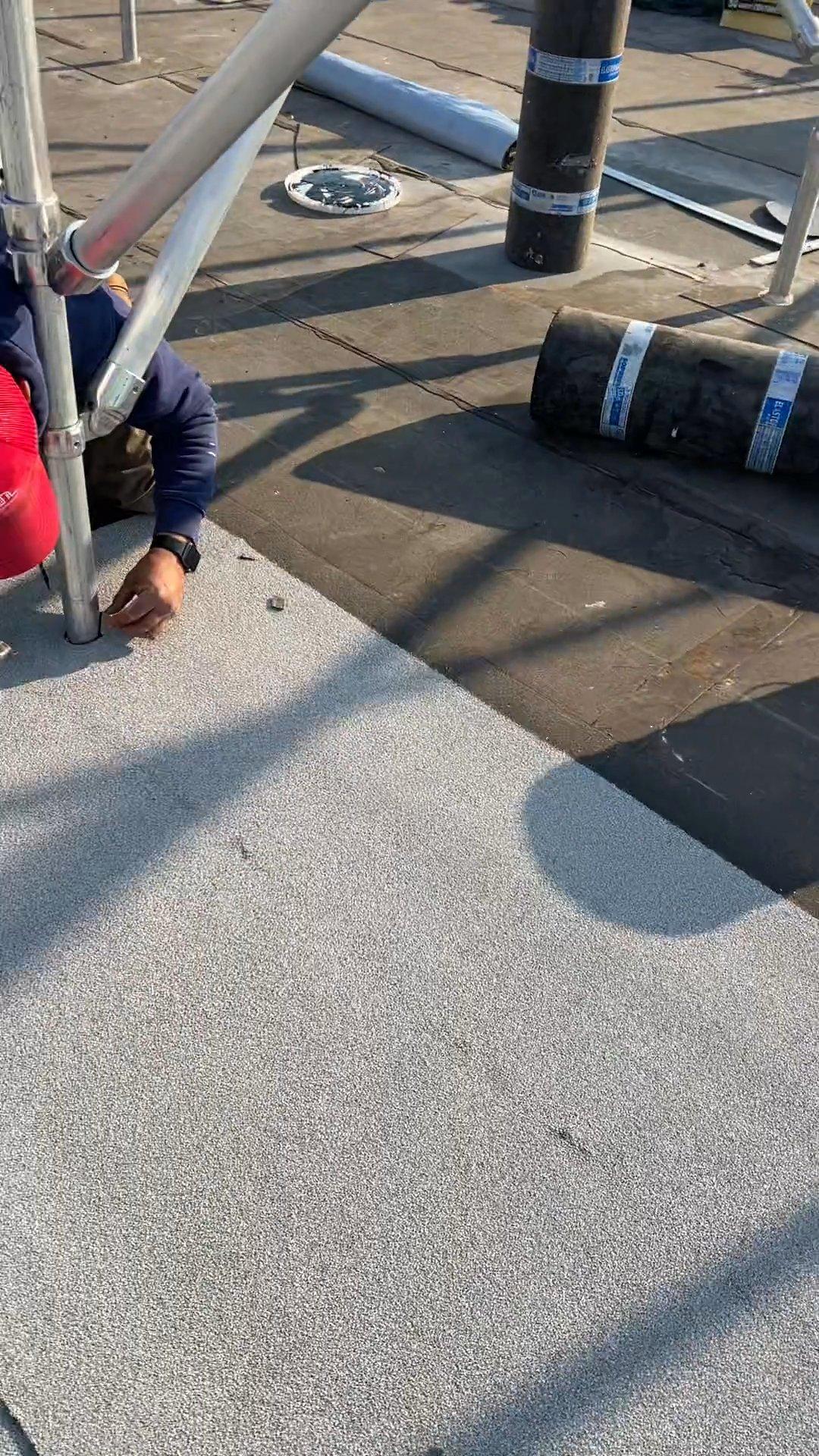
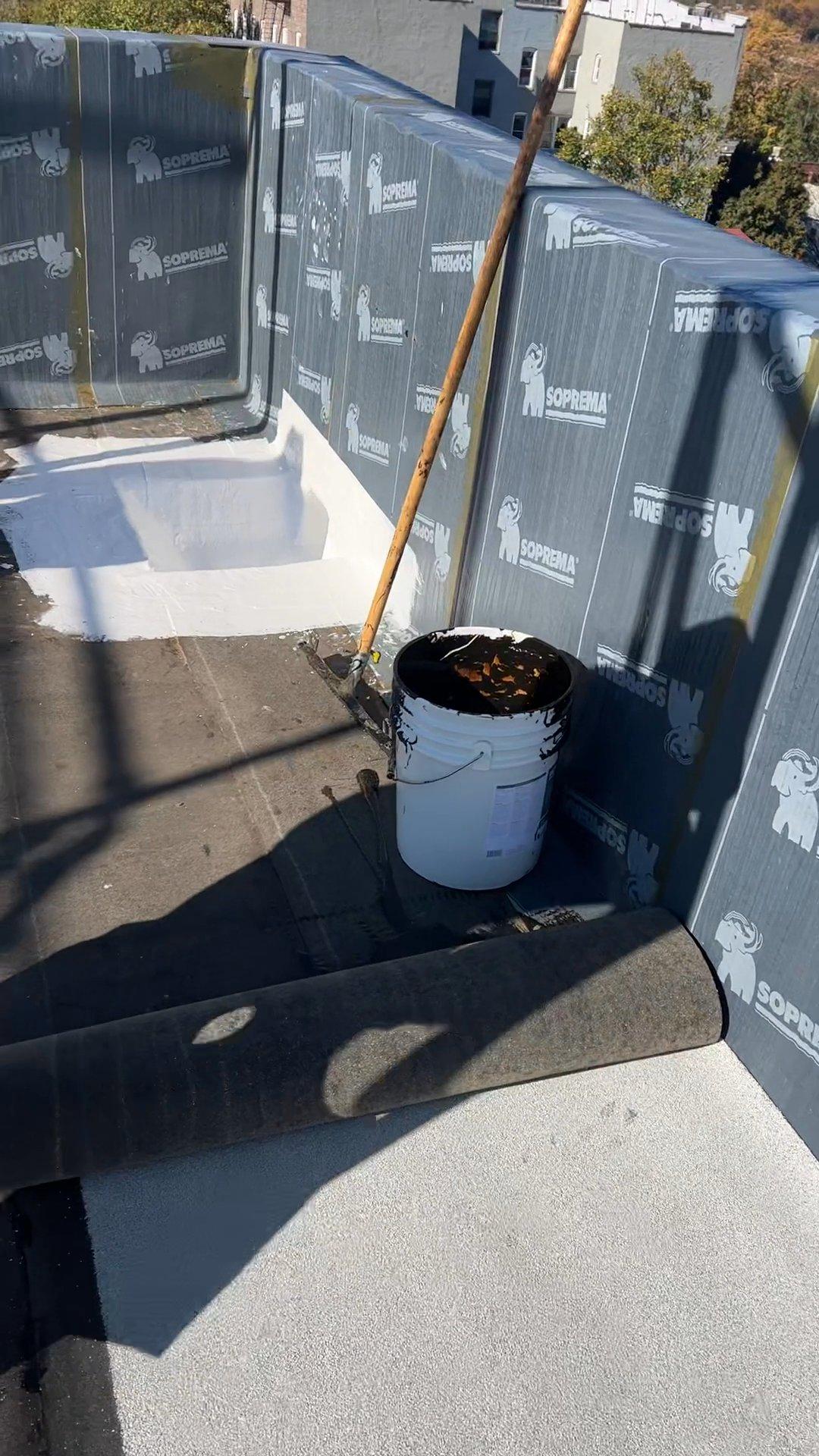
These are real Kellets jobsite photographs from a Bronx multifamily project using SOPREMA roofing and waterproofing materials—not stock or conceptual images. They show field membrane placement, transition detailing, cap-sheet alignment and parapet waterproofing.
Our approach
A disciplined path from first conversation to closeout
- 01Document symptoms and historyWe gather locations, timing, weather relationships, prior repairs, available reports, and visible interior and exterior evidence.View documented stages →
- 02Investigate likely pathwaysAccessible conditions are reviewed and the need for testing, probes, design professionals, or specialty input is identified.Explore water-path diagnosis →
- 03Define the repair sequenceScope is organized around the source and connected assemblies, with access, weather, protection, approvals, and materials coordinated.Review roof sequencing →
- 04Verify and documentWork and concealed stages are documented, required inspections are coordinated, and follow-up observations are tracked.Read common questions →
Questions homeowners and property teams ask
Practical answers before work begins
Why can the location of a leak differ from the visible damage?
Water can move along framing, masonry, membranes, pipes, and other concealed paths before it appears indoors. The stain identifies an impact area, not automatically the entry point.
What building components are commonly reviewed during a water-intrusion investigation?
The review may include roofs, parapets, copings, masonry, flashings, window and door perimeters, sealants, penetrations, drainage, transitions, and interior evidence.
Can waterproofing work be completed while a building remains occupied?
Often, but the plan must address access, noise, dust, odors, temporary protection, resident communication, safety, weather exposure, and any areas that need to be taken out of service.
When is an architect or engineer needed?
Professional involvement may be appropriate when structural conditions, regulated facade work, complex assemblies, testing protocols, design documents, or permit requirements are involved.
How should previous repairs be evaluated?
Document what was repaired, when, with which materials, and how the condition changed afterward. That history can help distinguish recurring symptoms from a newly identified pathway.
Start with a useful conversation
Tell us what you are planning.
Share the property, the spaces involved, your priorities, and any known constraints. Kellets will help clarify the next practical step.